.png)
Dentures in Rancho Bernardo: Your Options, the Process, and What Life Is Really Like After
Most people do not decide on dentures overnight. It usually starts with one loose tooth, then another, and a growing list of foods you quietly stopped ordering. By the time you type "dentures near me" into your phone, you are not just asking about a dental appliance. You are asking whether you will ever eat corn on the cob at a family barbecue again.
The honest answer is that modern dentures are nothing like the ones you may remember on a relative's nightstand. Materials are better, the fit is more precise, and there are now options that lock into place so nothing shifts while you talk or chew.
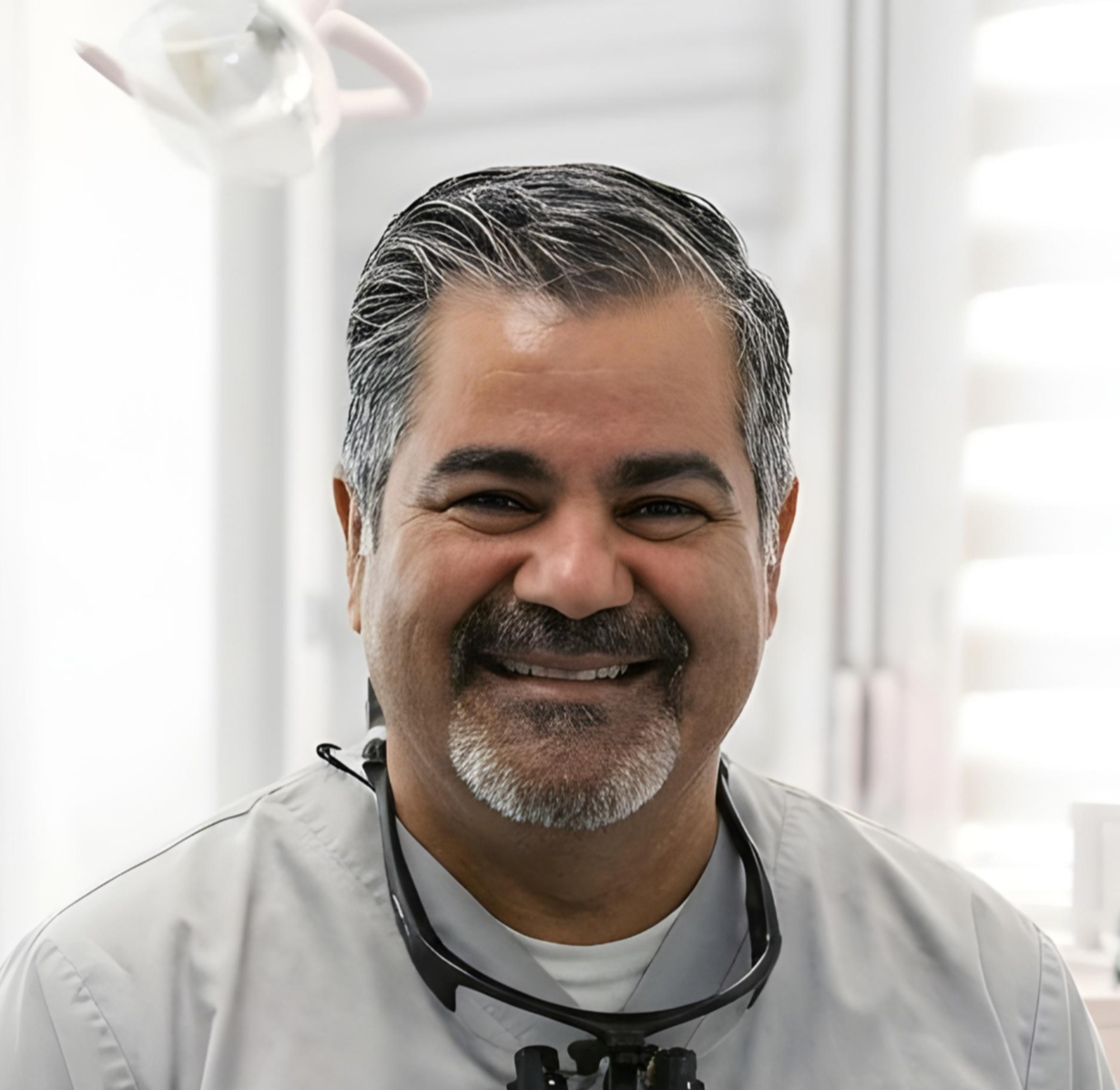
At Rancho Bernardo Dental Arts, Dr. K. Kam Ghandehari, DDS has fitted dentures for San Diego patients for decades with the same judgment free approach the practice is known for. This guide walks through the types of dentures available, how the process works, what the adjustment period feels like, and how to decide which option fits your mouth and your budget.
What Are Dentures, Exactly?
A denture is a custom made replacement for missing teeth and the gum tissue around them. It rests on your gums, or clips onto remaining teeth or implants, and it can be taken out for cleaning.
Dentures do more than fill a gap in your smile. When teeth are missing, the jawbone begins to shrink and the lower face can start to look collapsed or sunken. A well made denture supports your lips and cheeks, restores your ability to chew a normal diet, and helps you speak clearly again.
Rancho Bernardo Dental Arts offers a full range of removable dentistry options, so the recommendation you get is based on your mouth rather than on whatever the office happens to offer.
What Types of Dentures Are Available?
There is no single denture that suits everyone. The right choice depends on how many teeth are missing, the health of your gums and jawbone, and how much stability you want.
Complete dentures. A full arch replacement for patients who have lost all their upper teeth, all their lower teeth, or both. The base is shaped to your gums so it holds by suction and fit.
Removable partial dentures. For patients who still have healthy natural teeth. A partial fills the gaps and clasps onto the remaining teeth, with no surgery required.
Locator or bar attachment dentures. These snap onto dental implants placed in the jaw. They stay put while you eat and speak, which solves the slipping problem that frustrates so many traditional denture wearers.
Immediate dentures. Placed the same day your teeth are removed so you are never without a smile. These usually need relining later as your gums heal and change shape.
If you are weighing removable options against fixed ones, it is worth reading about implant dentistry as well. Some patients start with a traditional denture and add implants later for stability. Others go straight to an implant secured option.
How the Denture Process Works Step by Step
Getting dentures is a series of short, unhurried visits rather than one long appointment. Here is the typical path:
Consultation and exam. Dr. Ghandehari examines your remaining teeth, gums, and jawbone, and takes imaging to check bone levels. This is where you talk through your goals, your budget, and any past experience with dentures.
Treatment planning. Together you decide on complete, partial, or implant secured dentures. If any teeth need to be removed first, that gets scheduled and the healing timeline is explained up front.
Impressions and measurements. We capture a detailed model of your mouth, along with measurements of how your jaws come together, so the finished denture fits your bite instead of fighting it.
Try in appointment. You see a wax version of your denture and check the shape, shade, and tooth position before anything is finalized. This is your chance to say "the front teeth look too long" while it is still easy to change.
Final placement. The finished denture is placed, and we check the fit, the bite, and the way it looks when you smile and speak.
Follow up adjustments. Small sore spots are normal in the first few weeks. A few quick adjustment visits are part of the process, not a sign something went wrong.
What Does the Adjustment Period Feel Like?
The first two to four weeks are the real learning curve, and knowing that in advance makes it much easier.
Expect your dentures to feel bulky at first. Your tongue needs time to learn where everything sits. Speech can feel odd for a week or so, and reading out loud at home is one of the fastest ways to retrain it. Increased saliva is common early on and settles down.
Start with soft foods cut into small pieces, and chew on both sides at once to keep the denture balanced. Add tougher foods gradually. Most patients are eating close to a normal diet within a month, though very sticky or very hard foods stay on the caution list long term.
If a sore spot lasts more than a couple of days, call us at (858) 485-1123 rather than toughing it out. A two minute adjustment usually solves it.
How Do You Take Care of Dentures?
Good habits keep dentures comfortable and extend their life:
Rinse after meals to clear trapped food.
Brush the denture daily with a soft brush and a nonabrasive denture cleaner. Regular toothpaste is too harsh and creates scratches that trap stain.
Clean over a folded towel or a sink of water, since dentures crack easily on a hard surface.
Soak overnight in water or a denture solution so the material does not dry out and warp.
Brush your gums, tongue, and any remaining natural teeth every morning to keep tissue healthy.
Keep your regular checkups. Even without natural teeth, your dental exam includes an oral cancer screening and a check of your gums and fit.
The American Dental Association also recommends handling dentures carefully and never using hot water to clean them, since heat can distort the shape.
How Long Do Dentures Last?
Most dentures last five to ten years before they need replacing. That is not because the teeth wear out quickly, but because your gums and jawbone keep changing shape underneath. A denture that fit perfectly three years ago can slowly become loose.
Relines are the usual fix in between. During a reline, the tissue side of the denture is resurfaced to match your current gum shape, which restores the fit without building a whole new appliance. If you find yourself relying on adhesive more and more, that is your signal to come in for an evaluation.
What Do Dentures Cost in Rancho Bernardo?
Cost depends on the type of denture, the materials, and whether extractions or implants are part of the plan. A removable partial and a full implant secured set sit at very different price points, and you deserve to see the real numbers before you commit.
Our team reviews your dental insurance benefits and explains financing options during your consultation, so you leave with a written estimate rather than a vague range. Patients without insurance often ask about our membership plan as a simpler way to manage ongoing care.
Are Dentures the Right Choice for You?
Dentures are a strong fit if you are missing several teeth or a full arch, want a solution without extensive surgery, or need a more affordable path to a complete smile. They also work well as a first step while you decide about implants.
They may not be the best fit if you want something you never remove, or if bone loss makes a stable fit difficult without implant support. In those cases, Dr. Ghandehari will tell you plainly and walk you through the alternatives, including restorative and implant based options.
The only way to know is an honest conversation with someone who examines your mouth and listens to what matters to you.
A Trusted Denture Team in Rancho Bernardo
For 50 years, Rancho Bernardo Dental Arts has cared for generations of San Diego families, and helping patients eat, speak, and smile with confidence again is some of the most meaningful work we do. Dr. K. Kam Ghandehari, DDS combines careful measurement, quality materials, and a patient first approach so your dentures fit the way they should from the start.
To talk through your denture options in Rancho Bernardo, call (858) 485-1123 or book your appointment online. We will answer your questions at your pace and help you decide what comes next.


Comments